Quick Summary:
1. The Real-World Problem: You are mid-sentence in a high-stakes professional presentation and a common vocabulary word—budget, deadline, bandwidth—completely vanishes from your mind. You walk into the kitchen and stare blankly at an open pantry, having zero recollection of what you came to retrieve. You misplace your phone three times before breakfast, struggle to calculate a simple restaurant tip, and wake up at 3:17 AM in a cold sweat feeling like your brain is wading through wet cement.
2. The Normalization Trap: Millions of women in their late 30s, 40s, and early 50s secretly panic that they are witnessing the onset of early Alzheimer's or dementia. They blame themselves for "working too many hours," "not keeping up," or "losing their edge," while well-meaning doctors and colleagues casually dismiss their distress as "routine midlife stress," "anxiety," or "just getting older."
3. The Actionable Roadmap: Perimenopause brain fog is a documented, transient neurobiological event caused by fluctuating estrogen starving cerebral glucose transporters (GLUT-1 and GLUT-3) by 20% to 25%. This clinical guide provides the scientific roadmap to restore neuronal energy: the 5 evidence-backed micronutrients (Magnesium L-Threonate/Bisglycinate, Vitamin B-Complex with Methylfolate, Omega-3 DHA/EPA, Choline/Phosphatidylserine, and Ferritin/Iron triage), essential fasting lab panels, and country-specific guidance across the US, UK, Canada, and Australia.
"You have managed complex teams, balanced budgets, raised children, or directed projects for two decades. Yet today, you forgot the name of a longtime colleague and took twenty seconds to recall your own zip code. You whisper to yourself: 'Am I losing my mind? Is this early dementia?' You are not losing your mind. Your brain is navigating a profound hormonal bioenergetic recalibration—and it is starving for specific cellular cofactors."

There is a distinct, quiet terror that visits women between ages 38 and 52.
You sit down at your laptop to draft a routine email, and your thoughts stall. The words are there—somewhere on the periphery of your consciousness—but you cannot pull them across the finish line. You find your car keys sitting on a shelf in the laundry room. You open a spreadsheet you created last week and feel as though you are attempting to decipher a foreign dialect.
When you bring this up in your annual checkup, the standard response is often infuriatingly vague:
"You're a busy woman. You're carrying a lot on your plate. It's just stress, or maybe mild depression. Have you tried mindfulness?"
While stress and sleep deprivation certainly compound cognitive fatigue, this dismissive response misses the fundamental biology. Perimenopause brain fog is not a psychosomatic failure, an imagined neurosis, or an irreversible prelude to senility. It is a measurable, physiological neuroendocrine shift happening inside the female central nervous system.
Let's unpack the precise neuroscience of what happens to the female brain when ovarian hormones shift, why cerebral energy falters, which targeted nutrients possess genuine clinical evidence, and what lab tests you must request.
The Neurobiology: Why Estrogen Loss Starves Brain Cells
For decades, medical textbooks framed estrogen purely as a reproductive hormone—responsible for ovulation, the uterine lining, and secondary sexual characteristics. Modern neuroscience has completely shattered that narrow view.
As demonstrated by Dr. Lisa Mosconi and colleagues in groundbreaking brain imaging research conducted at Weill Cornell Medicine and supported by the National Institutes of Health (NIH), estrogen (specifically 17β-estradiol) is a master regulator of cerebral bioenergetics.
The Perimenopause Cerebral Energy Cascade:
Estrogen Drops → Impaired Glucose Transporters (GLUT-1/3) → 20–25% Cerebral Energy Deficit → Compensatory Metabolic Shift (Ketones/Lactate) → Word-Finding Delays & Mental Exhaustion
1. The Glucose Transport Crisis
The human brain represents only 2% of total body mass, yet it consumes more than 20% of your daily caloric glucose energy. Neurons cannot store glucose; they depend on a continuous, uninterrupted influx of glucose delivered across the blood-brain barrier via glucose transporter proteins:
GLUT-1: Transports glucose across the blood-brain barrier vascular endothelium.
GLUT-3: Transports glucose into neuronal synapses and dendritic spines.
Estrogen directly stimulates and maintains the expression of GLUT-1 and GLUT-3. When estradiol levels drop erratically during perimenopause, cerebral glucose metabolism declines by an astonishing 20% to 25% in key cognitive centers—specifically the hippocampus (responsible for short-term memory encoding) and the prefrontal cortex (responsible for executive function, multi-tasking, and verbal fluency).
Your brain is literally experiencing an acute energy brownout. The engine has not broken down, but the fuel pump is sputtering.
2. The Glymphatic Sleep Failure
During the third and fourth decades of life, fluctuating estrogen and falling progesterone directly disrupt sleep architecture. Progesterone metabolites (such as allopregnanolone) act as natural positive modulators of GABA-A receptors in the brain, inducing deep, restorative slow-wave sleep.
When progesterone plunges:
Women experience frequent 2:00 AM to 4:00 AM awakenings, accompanied by night sweats and adrenaline surges.
The brain's glymphatic system—the specialized waste-clearance pathway that activates almost exclusively during deep slow-wave sleep to flush metabolic byproducts, hyperphosphorylated tau, and amyloid proteins—is severely compromised.
Toxic cellular debris accumulates across the cerebral cortex, manifesting the following morning as heavy, sluggish, clouded thinking.
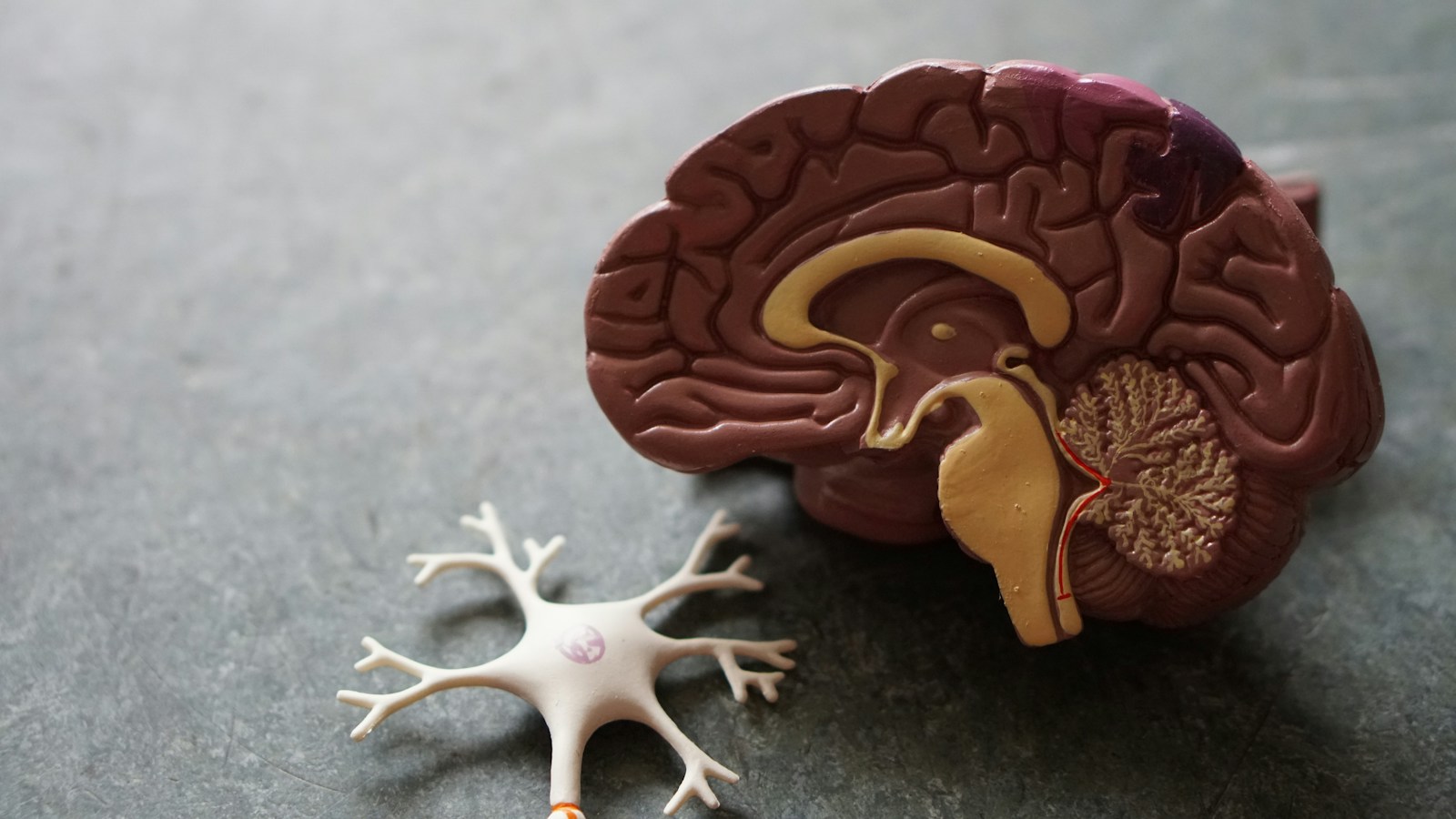
Is Perimenopause Brain Fog Permanent? (The Mosconi Brain Rebound)
The single most pressing question women search in the middle of the night is: "Will my brain ever work properly again?"
The reassuring scientific answer is yes.
In longitudinal brain PET-imaging cohorts tracking women from pre-menopause through perimenopause and into post-menopause, researchers discovered a remarkable adaptive phenomenon:
1. The Vulnerability Phase (Perimenopause): The brain undergoes sharp declines in glucose utilization and temporary mitochondrial stress, correlating with peak hot flashes, mood lability, and verbal memory complaints.
2. The Stabilization Phase (Post-Menopause): The brain executes a metabolic "rewiring." Neuronal mitochondria adapt by upregulating auxiliary metabolic pathways, utilizing circulating ketone bodies and lactate as compensatory fuel substrates.
3. The Cognitive Rebound: While estrogen levels remain permanently low after menopause, cognitive testing scores in postmenopausal women systematically stabilize and frequently return to baseline levels.
Brain fog during perimenopause is a temporary transitional phase. However, how smoothly and quickly your brain navigates this metabolic bridge depends directly on the availability of essential biochemical cofactors.
The 5 Evidence-Backed Nutrients for Perimenopause Brain Fog
When cellular energy is compromised, certain micronutrients act as metabolic sparks, anti-inflammatory shields, and neurotransmitter precursors. Here is what the clinical literature actually demonstrates.
1. Magnesium (L-Threonate & Bisglycinate)
Magnesium is an enzymatic cofactor for over 300 biochemical reactions in the human body, but in the brain, it holds two non-negotiable roles:
Regulating NMDA Receptors: Magnesium acts as a physiological "gatekeeper" sitting inside the ion channel of the N-methyl-D-aspartate (NMDA) receptor. Without adequate magnesium, the receptor remains unlocked, allowing toxic calcium influx that triggers neuronal excitotoxicity and mental exhaustion.
Fueling ATP Synthesis: Every single molecule of adenosine triphosphate (ATP)—the cellular currency of brain energy—must be bound to a magnesium ion (forming Mg-ATP) to become biologically active.
| Magnesium Form | Key Biological Advantage | Optimal Clinical Use |
|---|---|---|
| Magnesium L-Threonate (Magtein) | Crosses the blood-brain barrier; proven in clinical trials to elevate cerebrospinal fluid magnesium concentrations by 15% and improve working memory. | Daytime cognitive support, verbal memory retention, and mental sharpness (1,000–2,000 mg compound weight delivering 144 mg elemental Mg). |
| Magnesium Bisglycinate | Chelated with two glycine molecules; highly bioavailable, deeply calming to the central nervous system, and exceptionally gentle on the bowel. | Evening use to combat nocturnal awakenings, hot flashes, and morning brain fog (200–300 mg elemental Mg taken 45 minutes before sleep). |
| Magnesium Citrate / Oxide | Poor blood-brain barrier penetration; functions primarily as an osmotic laxative. | Bowel regularity only; not recommended for cognitive support. |
2. The Methylation & Neurotransmitter Triad: B12, B6 & Active Methylfolate
The synthesis of neurotransmitters governing attention, working memory, and mental stamina (serotonin, dopamine, norepinephrine, and acetylcholine) depends entirely on the one-carbon methylation cycle.
The Homocysteine Threat: As estrogen declines, circulating homocysteine levels frequently rise. Elevated homocysteine is directly neurotoxic, promoting cerebral microvascular damage and hippocampal volume loss. Active Vitamin B12 (methylcobalamin) and Folate (L-methylfolate / 5-MTHF) are mandatory coenzymes required to remethylate homocysteine into methionine.
The "Normal" Lab Trap: Conventional clinical blood laboratories often define "normal" serum Vitamin B12 as anything between 200 and 900 pg/mL. However, peer-reviewed neurological research demonstrates that functional tissue deficiency and cognitive impairment frequently occur at levels below 450–500 pg/mL. Always request a Methylmalonic Acid (MMA) test, which serves as the gold-standard functional marker of intracellular B12 starvation.
Vitamin B6 (Pyridoxal-5-Phosphate): The mandatory rate-limiting cofactor for aromatic L-amino acid decarboxylase, the enzyme that converts L-DOPA into dopamine and 5-HTP into serotonin.
3. Omega-3 Fatty Acids (High-DHA Phospholipids)
Over 60% of the dry weight of the human brain consists of lipids, and Docosahexaenoic Acid (DHA) represents over 30% of all structural fatty acids inside neuronal cell membranes.
Synaptic Fluidity: DHA embeds directly into the phospholipid bilayer of neuronal synapses, maintaining the biophysical membrane fluidity required for rapid signal transduction and neurotransmitter release.
Resolving Neuroinflammation: Falling estrogen reduces endogenous anti-inflammatory cytokine signaling, allowing brain microglia (the resident immune cells) to shift into a hyper-reactive inflammatory state. DHA and EPA generate specialized pro-resolving mediators (resolvins, protectins, and maresins) that switch off microglial neuroinflammation.
Clinical Target: Clinical trials support a daily intake of 1,000 to 1,500 mg combined EPA and DHA, prioritizing formulas with at least 500 to 800 mg of DHA in triglyceride or phospholipid form.
4. Choline & Phosphatidylserine: The Memory Neurotransmitter
If you struggle with "word-retrieval latency"—knowing exactly what you want to say but feeling like the file folder in your brain has been misplaced—your cholinergic system is likely struggling.
The Acetylcholine Link: Acetylcholine is the principal neurotransmitter responsible for attention, memory encoding, and executive processing speed. Choline is its direct dietary precursor.
Estrogen & The PEMT Pathway: Premenopausal women produce significant amounts of endogenous phosphatidylcholine in the liver through the estrogen-dependent PEMT (phosphatidylethanolamine N-methyltransferase) pathway. When estrogen drops in perimenopause, PEMT activity plummets, making women acutely dependent on dietary choline.
Actionable Sources: 2 large whole pastured eggs provide approximately 300 mg of bioavailable choline (about 70% of the adult female daily requirement). Secondary options include sunflower lecithin or Citicoline (CDP-choline) at 250 mg daily, which supplies both free choline and cytidine (for neuronal membrane repair).
5. Ferritin & Iron: The Hidden Dopamine Engine
Perimenopause is notorious for erratic menstrual cycles. Many women experience anovulatory cycles where estrogen remains unopposed by progesterone, leading to thick endometrial hyperplasia followed by prolonged, torrential menstrual bleeding ("flooding").
The Non-Anemic Iron Starvation Trap: A woman's routine Complete Blood Count (CBC) may report a "normal" hemoglobin level of 12.8 g/dL, leading her physician to declare: "Your blood counts are fine, you aren't anemic."
The Reality: Her serum ferritin (the measurement of total stored iron in bone marrow and brain tissues) may have plummeted to 14 ng/mL.
Neuronal Consequences: Iron is the mandatory catalytic cofactor for tyrosine hydroxylase, the rate-limiting enzyme in the synthesis of dopamine. Without adequate ferritin, dopamine production falters, manifesting as profound apathy, executive dysfunction, severe brain fog, and restless leg syndrome.
For complete clinical testing protocols, read our in-depth analysis on [Can Low Iron Cause Anxiety & Brain Fog?](/symptoms/can-low-iron-cause-anxiety-brain-fog) and discover how to differentiate these states in [Iron Deficiency vs Anemia: The Key Differences](/blog/iron-deficiency-vs-anemia).
Global Guidance: How Brain Fog Nutrients & Lab Testing Differ by Country
Healthcare infrastructure, dietary fortification policies, and clinical diagnostic standards vary significantly across the globe. Understanding these differences empowers you to navigate your local healthcare system effectively.
| Country | Primary Clinical Guidelines | Lab Access & Diagnostic Cutoffs | Fortification Policy & Key Risks |
|---|---|---|---|
| United States | NIH / The Menopause Society / ACOG | Direct-to-Consumer (Quest / LabCorp); ferritin cutoff often set too low (<15 ng/mL). | Mandatory folic acid in enriched flour; Vitamin D fortified milk. Functional B12 deficiency common with PPIs. |
| United Kingdom | NICE (NG23) / British Menopause Society (BMS) | NHS GP clinical diagnosis; strict B12 cutoffs (<180 ng/L) frequently miss tissue deficiency. | Non-fortified flour; serum ferritin frequently omitted unless hemoglobin is low. |
| Canada | SOGC / Health Canada | Provincial coverage (OHIP/MSP); Vitamin D testing de-listed and paid out-of-pocket ($35–$50 CAD). | Mandatory folic acid in flour; mandatory Vitamin D in fluid milk and margarine. |
| Australia | Australasian Menopause Society (AMS) / RANZCOG | Medicare Benefits Schedule (MBS) rebates for pathology when indicated. | Mandatory thiamin & folic acid in bread; high rate of Vitamin D deficiency despite high UV index. |
1. United States (US)
Clinical Framework: The Menopause Society (formerly NAMS) and the American College of Obstetricians and Gynecologists (ACOG) recognize cognitive complaints as classic perimenopausal symptoms.
Laboratory Access: American women have direct commercial access to private laboratory ordering (via services like Quest Diagnostics and LabCorp) without requiring physician referrals.
Dietary Fortification: The U.S. FDA mandates folic acid fortification in all enriched cereal grains (since 1998), reducing the prevalence of severe folate deficiency. However, functional B12 deficiency remains widespread among women using acid-suppressing PPIs or metformin.
Reference Ranges: Ferritin reference ranges in commercial U.S. labs frequently start as low as 12–15 ng/mL. Functional medicine and hematology literature emphasize that cognitive and physical vitality requires a ferritin floor of at least 50 ng/mL.
2. United Kingdom (UK)
Clinical Framework: The National Institute for Health and Care Excellence (NICE) NG23 Guidelines explicitly state that in healthy women aged 45 and older with typical perimenopausal symptoms (including memory issues and brain fog), perimenopause should be diagnosed clinically without routine laboratory blood tests for FSH or estradiol.
NHS Testing Challenges: NHS General Practitioners (GPs) face stringent testing budgets. While full blood counts (FBC) are routine, serum ferritin is frequently omitted unless hemoglobin is low.
The B12 Threshold Issue: Many NHS trust laboratories utilize serum B12 cutoffs as low as 140–180 ng/L. Women presenting with cognitive fog in the UK frequently test in the 200–300 ng/L "grey zone" and are told their results are "normal," despite active intracellular deficiency. UK women should specifically request a serum ferritin and consider private active B12 (Holotranscobalamin) testing if symptoms persist.
British Menopause Society (BMS): The BMS recognizes cognitive symptoms as an indication for transdermal hormone replacement therapy (HRT) evaluation alongside lifestyle and nutritional optimization.
3. Canada
Clinical Framework: The Society of Obstetricians and Gynaecologists of Canada (SOGC) provides clinical guidance for perimenopausal cognitive and vasomotor symptoms.
Provincial Healthcare Variations: Under provincial systems (such as Ontario's OHIP, British Columbia's MSP, or Alberta Health Services), basic complete blood counts, thyroid stimulating hormone (TSH), and fasting glucose are fully covered. However:
Vitamin D (25-OH) is de-listed from routine coverage in Ontario and Alberta unless specific bone pathologies (e.g., osteopenia, renal disease) are documented, requiring a $35 to $50 CAD out-of-pocket fee.
Ferritin is covered, but physicians often require explicit clinical justification (such as menorrhagia).
Dietary Profile: Similar to the U.S., Canada enforces mandatory folic acid fortification and mandatory Vitamin D fortification of cow's milk and margarine.
4. Australia & New Zealand
Clinical Framework: The Australasian Menopause Society (AMS) and RANZCOG provide extensive clinical guidance on managing midlife cognitive and metabolic transitions.
Medicare Pathology Rebates: Under Australia's Medicare Benefits Schedule (MBS), GPs can order comprehensive pathology (FBC, ferritin, TSH, B12, folate, electrolytes) bulk-billed when a valid clinical indication (such as persistent lethargy or cognitive decline) is documented.
The Sunlight & Vitamin D Paradox: Despite high UV indices across Australia, a significant proportion of adult Australian women remain Vitamin D deficient due to rigorous SunSmart protective behaviors, indoor sedentary work, and melanin pigmentation. Vitamin D testing under MBS now requires documented clinical risk factors.
Nutrient Standards: The National Health and Medical Research Council (NHMRC) sets Australian and New Zealand Nutrient Reference Values (NRVs), recommending a dietary zinc intake of 8 mg/day, calcium intake of 1,000 mg/day (rising to 1,300 mg/day after age 50), and iron intake of 18 mg/day for menstruating women.
Clinical Lab Testing Checklist: What to Ask Your Healthcare Provider
Never guess what you can test. Supplementing blind can waste financial resources and, in the case of iron, induce harmful oxidative stress if iron overload exists.
Request the following comprehensive morning fasting (pre-9:00 AM) panel:
| Laboratory Marker | Conventional "Normal" Range | Optimal Cognitive Target | Clinical Rationale for Midlife Women |
|---|---|---|---|
| Serum Ferritin | 12 – 150 ng/mL | 50 – 90 ng/mL | Dopamine synthesis cofactor; tissue depletion causes brain fog before anemia appears. |
| Total Iron Binding Capacity (TIBC) | 250 – 450 µg/dL | 280 – 360 µg/dL | Evaluates total transferrin iron binding capacity in circulation. |
| Transferrin Saturation | 15% – 50% | 25% – 35% | Confirms circulating iron availability for brain delivery. |
| Serum Vitamin B12 | 200 – 900 pg/mL | 500 – 850 pg/mL | Neurological symptoms occur below 450 pg/mL despite "normal" lab printouts. |
| Methylmalonic Acid (MMA) | 0.00 – 0.40 µmol/L | < 0.20 µmol/L | Gold-standard functional biomarker of cellular Vitamin B12 deficiency. |
| 25-Hydroxyvitamin D [25(OH)D] | 30 – 100 ng/mL | 45 – 65 ng/mL | Master neurosteroid gene regulator; modulates serotonin and neurotrophic factors. |
| Thyroid Stimulating Hormone (TSH) | 0.45 – 4.50 mIU/L | 1.0 – 2.5 mIU/L | Subclinical hypothyroidism mimics perimenopause brain fog identically. |
| Free Thyroxine (Free T4) | 0.8 – 1.8 ng/dL | 1.1 – 1.5 ng/dL | Active circulating thyroid hormone driving baseline cerebral metabolic rate. |
| Free Triiodothyronine (Free T3) | 2.3 – 4.2 pg/mL | 3.0 – 3.8 pg/mL | Cellularly active thyroid hormone required for mitochondrial ATP generation. |
| Fasting Glucose / HbA1c | < 100 mg/dL / < 5.7% | 75 – 90 mg/dL / < 5.3% | Fluctuating glucose spikes and reactive crashes trigger 2 PM cognitive fatigue. |
| High-Sensitivity CRP (hs-CRP) | 0.0 – 3.0 mg/L | < 0.8 mg/L | Systemic biomarker of low-grade microglial neuroinflammation. |
Clinical Testing Tip: If your TSH is "normal" (e.g., 3.8 mIU/L) but your Free T3 is low and thyroid peroxidase (TPO) antibodies are elevated, your brain fog may stem from subclinical Hashimoto's thyroiditis—an autoimmune condition that frequently flares during perimenopausal hormonal fluctuations.
4-Step Daily Nutritional Protocol for Mental Clarity
If you are currently struggling with perimenopausal brain fog, implement this four-step nutritional foundation:
1. Breakfast: Fuel the Cholinergic Synapse:
Consume 2 whole pastured eggs (rich in bioavailable phosphatidylcholine, lutein, and zinc) paired with sautéed spinach and avocado.
If plant-based, combine 2 tablespoons of sprouted hemp hearts with fortified soy milk and 1 tablespoon of sunflower lecithin.
2. Lunch: Stabilize Cerebral Glucose:
Avoid refined, high-glycemic carbohydrates (pastries, white bread, sugary smoothies) that trigger reactive post-meal hypoglycemia. A steep glucose drop at 2:00 PM mimics acute brain fog.
Focus on low-glycemic, fiber-dense meals: wild salmon or organic tempeh over a bed of quinoa, roasted broccoli, and pumpkin seeds.
3. Mid-Afternoon: Cognitive Mineral Support:
If experiencing mental fatigue and word-retrieval latency, evaluate Magnesium L-Threonate (Magtein) at 1,000 mg (delivering 72 mg elemental Mg) alongside a large glass of water and a handful of raw walnuts.
4. Dinner & Evening: The Glymphatic Sleep Ritual:
Take 200 to 300 mg of Magnesium Bisglycinate 45 minutes prior to bed alongside a small complex carbohydrate snack (such as a kiwi or a half cup of tart cherry juice) to facilitate tryptophan entry into the brain.
Eliminate alcohol completely on work nights: while alcohol acts as an acute sedative, its metabolites fragment REM sleep, raise core body temperature, and completely shut down glymphatic waste clearance.
Authoritative Government & Clinical Citations
1. National Institute on Aging (NIA) / NIH: Menopause and Cognitive Function: Understanding Memory Lapses in Midlife. U.S. Department of Health and Human Services, 2024. Available from: https://www.nia.nih.gov/health/menopause
2. National Institutes of Health (NIH) Office of Dietary Supplements: Magnesium Fact Sheet for Health Professionals. Updated 2024. Available from: https://ods.od.nih.gov/factsheets/Magnesium-HealthProfessional/
3. Mosconi L, Berti V, Quinn C, et al.: Sex differences in Alzheimer's risk: Neural mechanisms and potential prevention strategies. Frontiers in Neuroendocrinology. 2017;46:29-55. PubMed PMID: 28435052.
4. Mosconi L, Rahman A, Diaz I, et al.: Increased Alzheimer's risk during the menopause transition: A 3-year longitudinal study. PLOS ONE. 2018;13(12):e0207885. PubMed PMID: 30543666.
5. Epperson CN, Sammel MD, Freeman EW: Menopause transition and cognitive performance: Results from the Penn Ovarian Aging Study. Neuropsychology. 2013;27(3):365-374. PubMed PMID: 23688219.
6. Slutsky I, Abumaria N, Wu LJ, et al.: Enhancement of learning and memory by elevating brain magnesium. Neuron. 2010;65(2):165-177. PubMed PMID: 20152124.
7. National Institute for Health and Care Excellence (NICE): Menopause: diagnosis and management (NICE Guideline NG23). Published 2015, updated 2024. London: National Institute for Health and Care Excellence.
8. National Academies of Sciences, Engineering, and Medicine (NASEM): Dietary Reference Intakes for Thiamin, Riboflavin, Niacin, Vitamin B6, Folate, Vitamin B12, Pantothenic Acid, Biotin, and Choline. Washington, DC: The National Academies Press, 1998.
Continue Exploring Women's Health & Nutrient Clusters
← Back to: [Blog & Educational Guides](/blog)